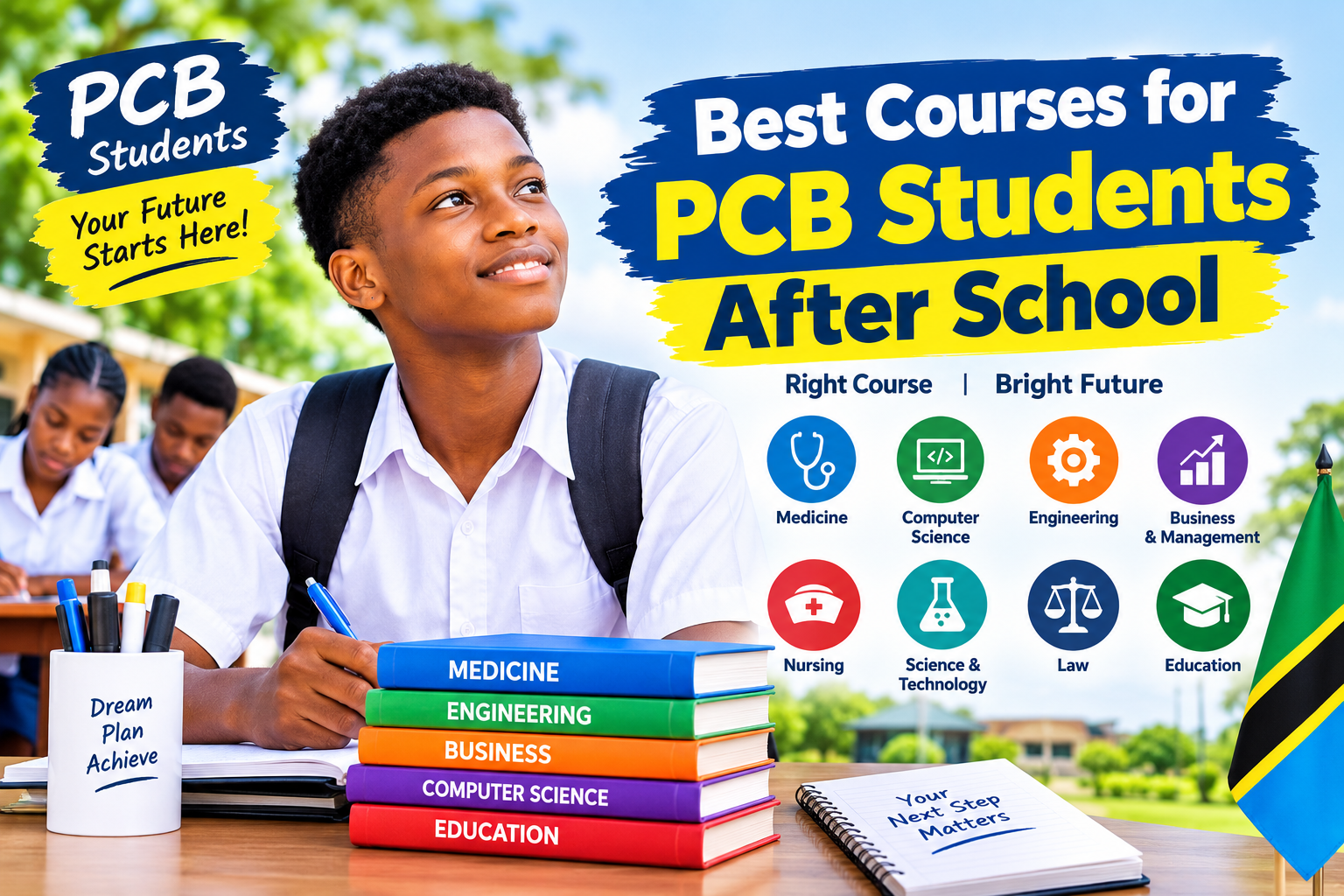
Choosing what to study after finishing a Physics, Chemistry, Biology (PCB) combination can feel overwhelming. Many students assume that a PCB background only leads to medicine, but the truth is that this combination opens doors to a much wider range of careers than most people realize. Whether a student is passionate about healthcare, curious about research, or simply looking for a stable and rewarding profession, there are several strong options worth considering.
This guide breaks down the best courses for PCB students, explains what each field involves, and offers practical advice for making a decision that fits both personal interests and long-term goals.
Why PCB Is a Strong Foundation
Students who study Physics, Chemistry, and Biology together develop a solid understanding of how living organisms function, how chemical reactions work, and how physical principles apply to the natural world. This combination builds analytical thinking and problem-solving skills that are valuable far beyond the classroom.
Because of this broad foundation, PCB graduates are not limited to a single career path. Instead, they can choose from medicine, allied health sciences, agriculture, environmental studies, biotechnology, and even some engineering-related fields that accept a biology background alongside physics and chemistry.
1. Medicine and Surgery (MBBS or Equivalent)
For many PCB students, medicine remains the most familiar and desired path. Becoming a doctor requires years of dedicated study, but it offers the reward of directly improving people’s lives. Admission is often competitive, so students interested in this route should prepare early through strong performance in biology and chemistry, along with entrance examinations where applicable.
Beyond general medicine, students can later specialize in areas such as pediatrics, surgery, cardiology, or public health, depending on their interests and further training.
2. Nursing and Allied Health Sciences
Not every student wants to become a doctor, and that is perfectly fine. Nursing, pharmacy, medical laboratory science, radiography, and physiotherapy are all excellent alternatives that make direct use of a PCB background. These fields tend to have shorter training periods than medicine while still offering meaningful, hands-on work in healthcare settings.
Nursing in particular is in high demand both locally and internationally, making it a practical choice for students who want strong job security after graduation.
3. Pharmacy
Pharmacy is another popular route for PCB students who enjoy chemistry and are interested in how medicines work. Pharmacists play a critical role in healthcare systems, from dispensing medication safely to advising patients on proper use. This career also opens opportunities in pharmaceutical manufacturing, drug research, and regulatory affairs, not just in retail or hospital pharmacies.
4. Biotechnology and Biomedical Sciences
For students who enjoy laboratory work and scientific research more than direct patient care, biotechnology is worth exploring. This field applies biological knowledge to develop new products and technologies in medicine, agriculture, and industry. Biomedical science graduates often work in diagnostic laboratories, research institutions, or the growing biotech industry, which continues to expand as demand for innovation in healthcare and agriculture grows.
5. Agriculture and Veterinary Sciences
PCB students with an interest in plants, animals, or food systems can pursue degrees in agriculture or veterinary medicine. These fields are especially important in countries where agriculture plays a major role in the economy. Careers range from crop science and animal husbandry to veterinary practice, agricultural extension work, and food safety.
Veterinary science, in particular, is a good fit for students who enjoyed biology but are more drawn to animal health than human medicine.
6. Environmental Science
As climate change and sustainability become bigger global concerns, environmental science has grown into a respected and necessary field. PCB students who care about conservation, natural resource management, or climate research can study environmental science to work in areas such as wildlife management, pollution control, and sustainable development projects.
7. Forensic Science
Forensic science combines biology, chemistry, and sometimes physics to solve real-world problems, often in criminal investigations. Students who enjoy detail-oriented laboratory work and are curious about how science supports justice systems may find this an interesting and unique career path.
8. Nutrition and Dietetics
Understanding how food affects the human body is a growing area of interest, and nutrition and dietetics offers a direct application of biology and chemistry knowledge. Graduates work in hospitals, wellness centers, sports organizations, and public health programs, helping people improve their health through better dietary choices.
How to Choose the Right Course
With so many options available, the decision can still feel difficult. Here are a few practical questions students should ask themselves:
- Do I enjoy working directly with people, or do I prefer laboratory-based research? This helps distinguish between clinical careers like medicine or nursing and research-focused fields like biotechnology.
- Am I comfortable with a long training period, or do I want to start working sooner? Medicine takes many years, while nursing, pharmacy technician programs, or lab science courses may be shorter.
- What subjects did I enjoy most within PCB? A stronger interest in chemistry might point toward pharmacy or forensic science, while a love for biology could suggest veterinary science or environmental studies.
- What career opportunities exist in my region? Local job demand matters. Fields like nursing and agriculture often have strong local relevance, while others may require looking at broader regional or international opportunities.
Talking to academic advisors, current professionals in these fields, and even alumni from relevant university programs can provide valuable insight before making a final decision.
Final Thoughts
PCB students have far more career options than many people assume. While medicine is often the first path that comes to mind, fields like nursing, pharmacy, biotechnology, agriculture, environmental science, and nutrition all offer rewarding and stable careers. The right choice ultimately depends on individual interests, strengths, and long-term goals rather than following the most common path simply because it seems familiar.
Taking time to research each option, speak with people already working in these fields, and reflect honestly on personal strengths will make the transition from PCB studies to a fulfilling career much smoother.
RELATED POST
What-to-Do-After-Form-Six-in-Tanzania-2026
Computer Science vs Information Technology: Key Differences Explained